Why us
The people who scope your audit are the people who build your system.
We're AI engineers who ship code, process analysts who understand operations, and low-code specialists who move fast. One team, end to end.

How we work
Six commitments every engagement is built on
- Delivery approach
- Hybrid by default: custom Python where the logic matters, no-code connectors where speed wins. Working automations ship in weeks, not quarters.
- Architecture
- AI-native from the start: LangChain, CrewAI, and vector stores are part of the design, not retrofitted onto legacy tooling.
- Team composition
- AI engineers, process analysts, and low-code specialists working as one unit on your project. No handoffs between departments.
- Scoping
- Every engagement starts with a workflow audit that defines the KPIs the build is measured against, before any code is written.
- Integration
- We build into the systems you already run (CRM, ERP, helpdesk, chat tools) rather than asking your team to adopt new ones.
- Measurement
- Impact is tracked against the audit's agreed KPIs after launch, so results are visible rather than assumed.
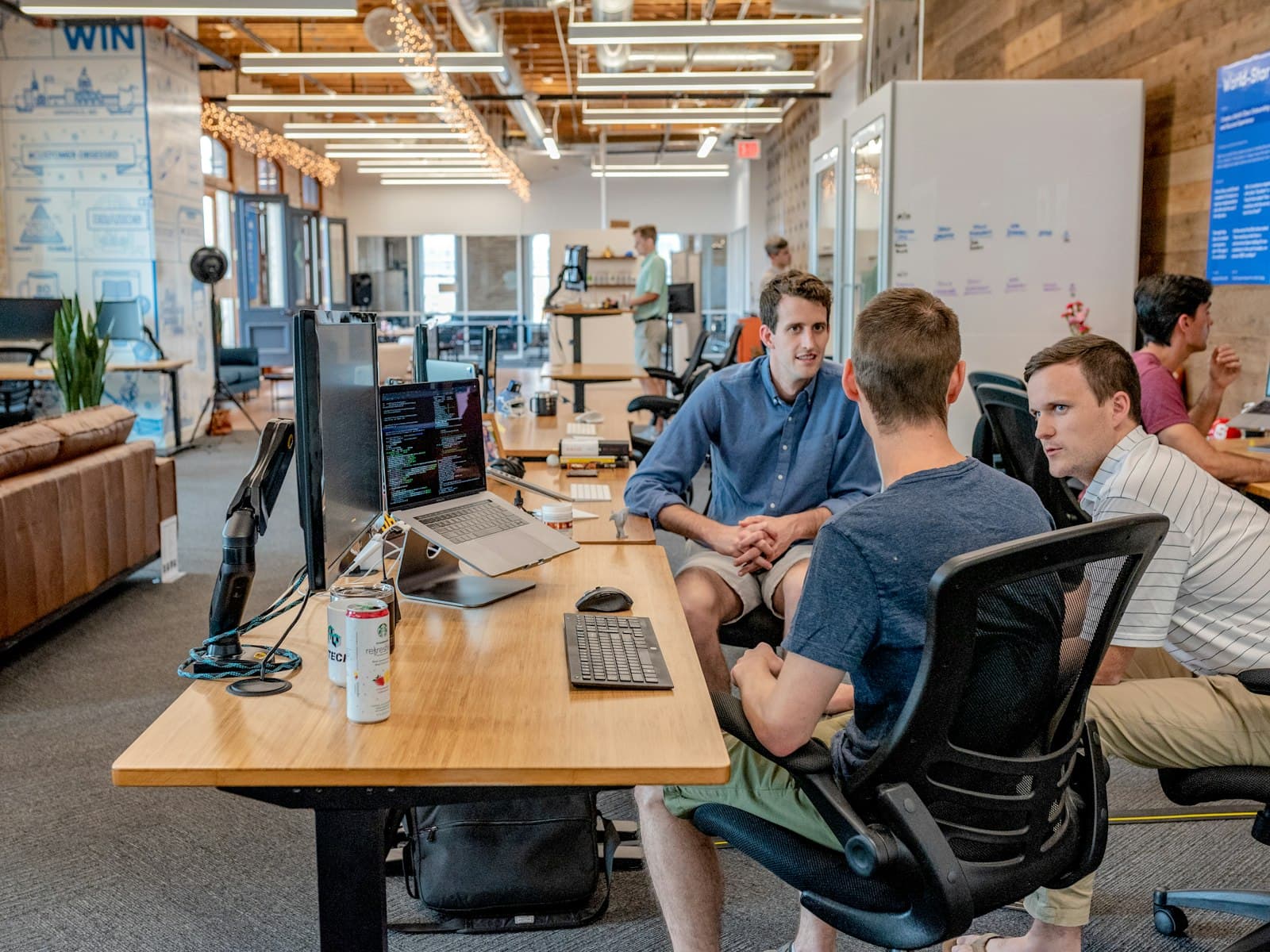
Who you'll work with
Founder-led delivery, end to end
Engagements combine AI engineering, process analysis, and low-code delivery in one team, sized to the project.
Prefer a capabilities overview? See what we design and build.
Process
From audit to measured outcome
The same five steps that run every engagement, scoped in the audit and measured after launch.
Discovery & analysis
Discovery & analysis
Step 01 · <1 week
Map how work moves today and rank automation opportunities by expected impact.
Deliverable: Automation roadmap.
Strategy & design
Strategy & design
Step 02 · <1 week
Agree the approach, systems in scope, and success metrics before build starts.
Deliverable: Technical plan.
Build & integrate
Build & integrate
Step 03 · 2–8 weeks
Ship working software into the systems you already run, with reviewable increments.
Deliverable: Production automation.
Launch & handoff
Launch & handoff
Step 04 · 1–2 weeks
Deploy, train the people who will use it, and confirm monitoring is in place.
Deliverable: Live system + training.
Optimize & extend
Optimize & extend
Step 05 · Ongoing
Improve against the audit KPIs and expand to adjacent workflows when it makes sense.
Deliverable: Measured iteration.
See how our approach fits your automation project.
Book a workflow audit